Driving E-Commerce Performance: The Impact of Automatic WebP Image Conversion
In modern e-commerce architecture, speed and storage efficiency dictate a platform's success. To address these critical factors, we recently engineered and deployed a specialized image uploader that automatically converts traditional JPG and PNG images into the next-generation WebP format upon upload.
The real-world testing data reveals a transformation that directly impacts both server infrastructure costs and search engine visibility.
The Raw Data: A 93.7% Reduction in Size
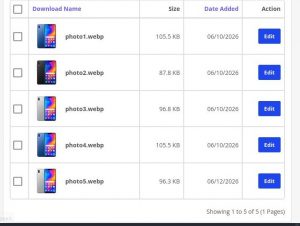
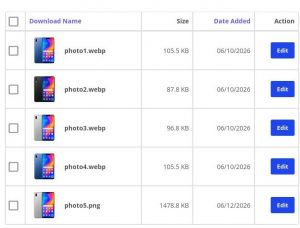
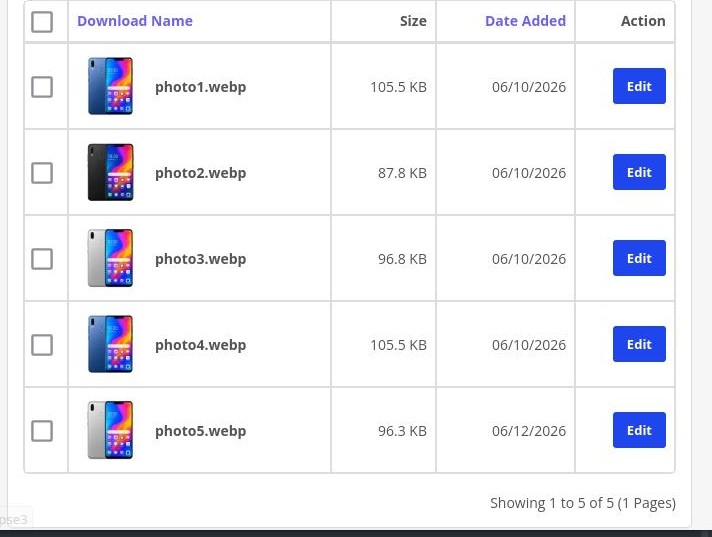
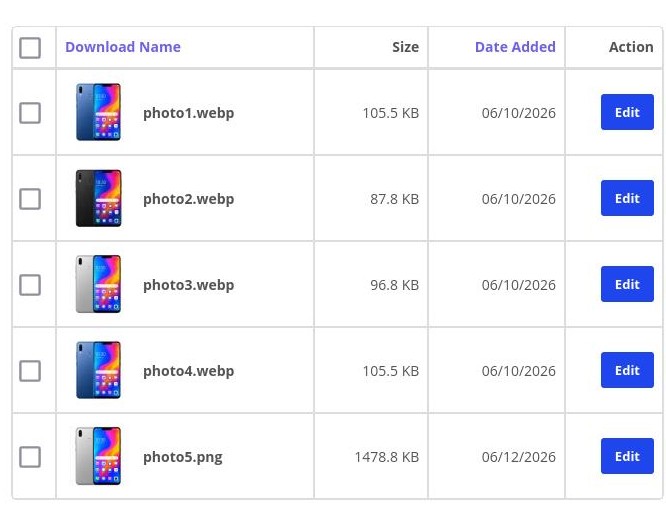
During production benchmarking, a standard high-resolution product PNG file was passed through the new optimization pipeline. The results speak for themselves:
-
Original Image Size (PNG): 1,478.8 KB (~1.5 MB)
-
Optimized Image Size (WebP): 96.3 KB
-
Total Size Reduction: 93.7% decrease in file weight without any human-perceptible loss in visual quality.
Key Benefits: Infrastructure & Search Dominance
1. Massive Server Storage Savings (SaaS Scalability)
For a growing multi-tenant SaaS platform, storage is a major infrastructure bottleneck and cost driver. High-resolution product images uploaded by thousands of merchants can rapidly deplete expensive NVMe disk space.
By scaling our benchmark numbers, every 1,000 images uploaded to the platform now consume just ~94 MB instead of 1.5 GB. This saves roughly 1.4 GB of disk space per thousand images. This lightweight architecture minimizes server I/O overhead, drastically lowers backup sizes, and keeps hosting overhead highly predictable.
2. Google SEO Victory: Weaponizing Core Web Vitals
Google explicitly uses page load speed—specifically the Core Web Vitals framework—as a primary ranking factor. The most notorious metric for content-heavy e-commerce pages is LCP (Largest Contentful Paint), which measures when the main product image or banner becomes visible to the user.
-
Before Optimization: On a standard mobile 4G network (15 Mbps), downloading the uncompressed 1.5 MB image took roughly 820 milliseconds.
-
After Optimization: The 96.3 KB WebP version downloads in just 51 milliseconds.
By shaving nearly 770ms off the resource load time, the platform instantly satisfies Google’s strict "Good" LCP threshold (under 2.5 seconds). On modern mobile devices, cutting nearly a second of loading time significantly reduces bounce rates and prevents potential customers from abandoning the store before the product page even renders.
Conclusion
Transitioning to an automated WebP conversion workflow turns an infrastructure liability into a competitive edge. The platform achieves a double victory: server environments remain exceptionally lean and cost-effective, while client storefronts load with the blistering speed required to rank at the top of Google search results.
You can experience this technology in action on our fully optimized demo page:
This live showcase is already pre-configured with fully optimized, next-gen WebP images, delivering the exact loading speed and infrastructure efficiency described above.